

“The legacy system is a map of every decision that seemed right at the time — read it before you rewrite it.”
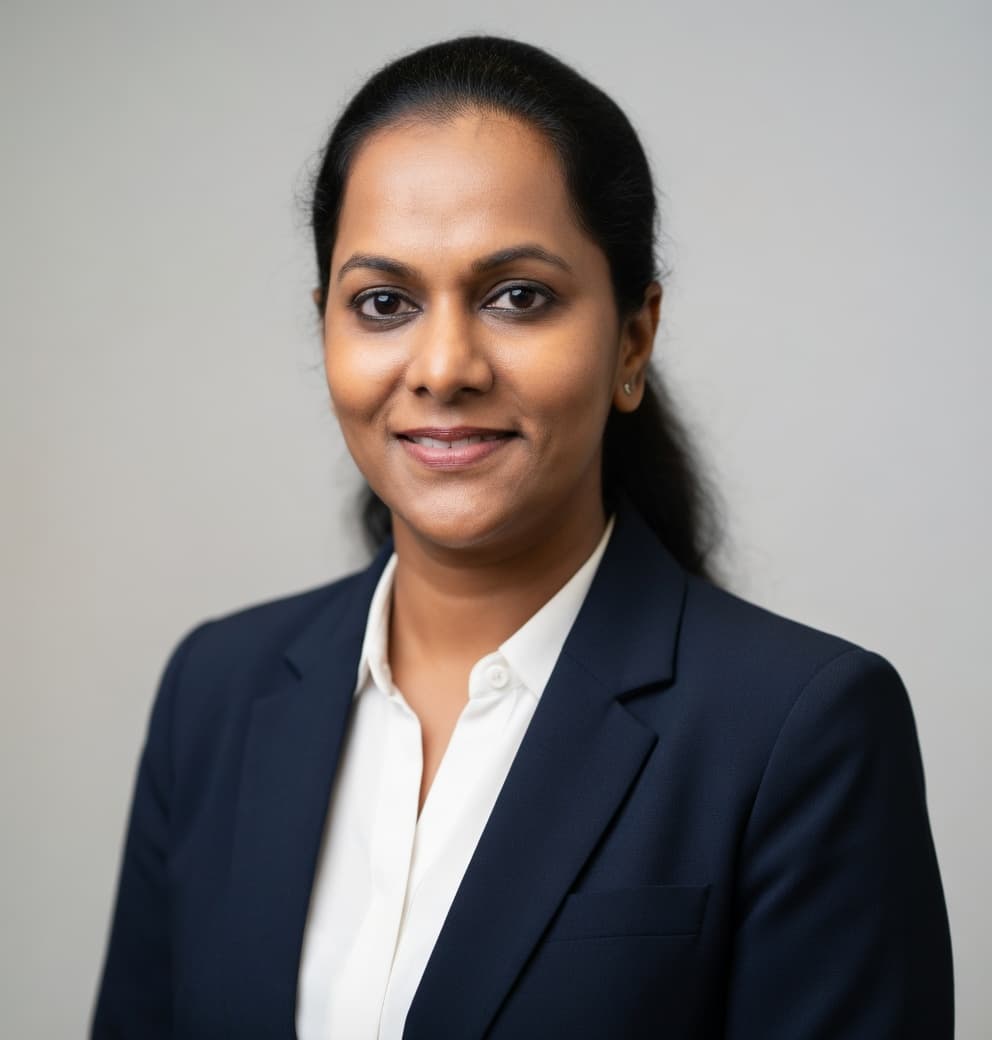
Sangeeth Paul, Strategic Finance Lead
- 01
How has your workflow changed since the transformation started?
Strategic finance used to mean building large models manually and presenting scenarios to leadership quarterly. Now I build once and the agent layer updates the model with actuals as they come in. I'm running scenario analysis continuously rather than episodically. Leadership gets updated financial views when the business changes, not when the reporting cycle happens to align. That's a better way to make resource allocation decisions.
- 02
What does it mean to operate alongside agents in your function?
I use LLMs to analyze strategic documents — board materials, competitor filings, analyst reports — and extract the assumptions that differ from ours. That gives me a structured view of where our thesis diverges from the market's thesis, and where we should be stress-testing our own assumptions. No agent produces that synthesis automatically. I direct what it looks at, and I evaluate what it surfaces. The judgment is still mine.
- 03
What makes this different from any other company you've worked at?
Strategic finance at most companies is advisory. You present scenarios; leadership decides. Here, I'm in the decision room when the calls are being made, with data that's current rather than last-quarter. The tools we use mean the financial perspective is live, not retrospective. That changes the nature of the role from analyst to active decision-support. I prefer it.


See open seats.
Building across engineering, product, data, sales, ops, finance, and people. Every role is an Operator role.
We get people offline through quality local experiences at great value. That's still the mission. Everything above is what it takes to deliver it in 2026.