
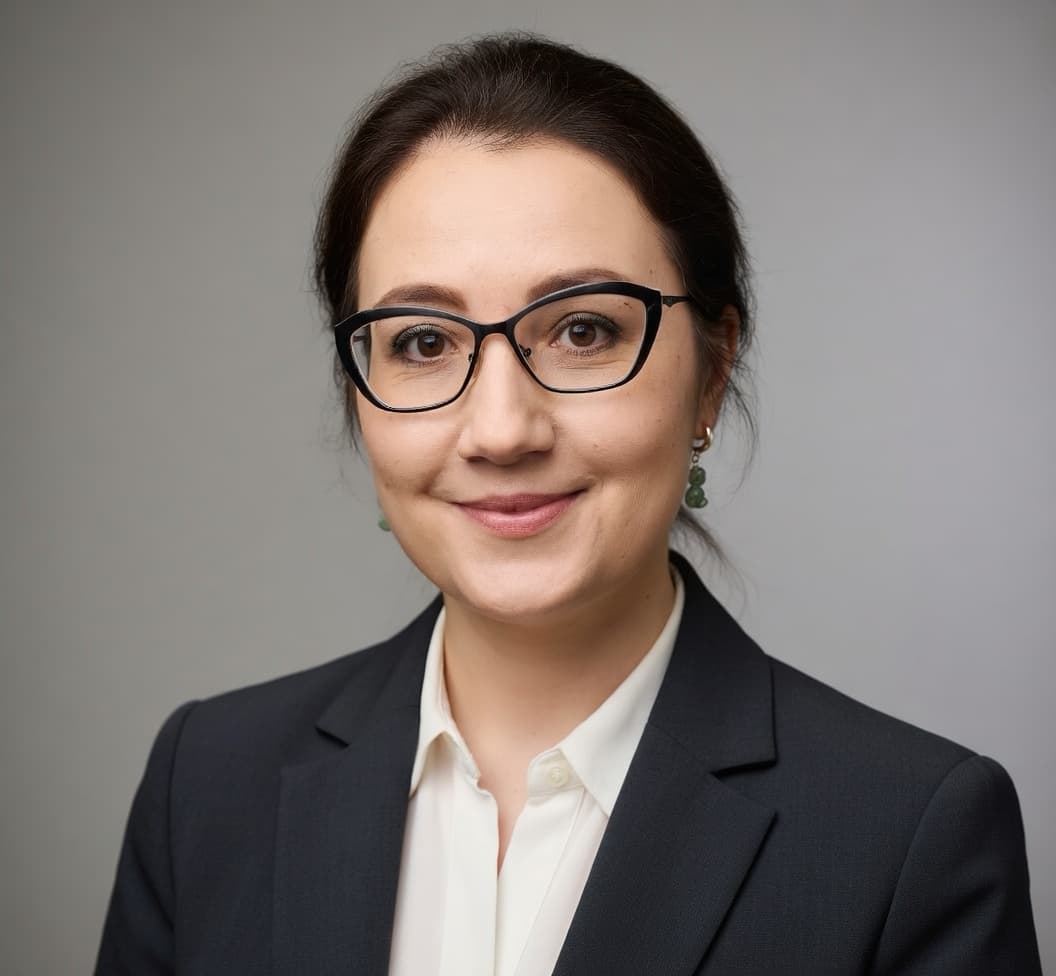
“Design is the part where you find out your assumptions were wrong — that's the useful part.”
Sylwia Radłowska, People Operations Manager
- 01
How has your workflow changed since the transformation started?
People ops runs on a lot of data — headcount, attrition, engagement signals, compensation benchmarking. Pulling and synthesizing that used to take days every reporting cycle. Now I have agent pipelines that keep those models current automatically and surface anomalies without me having to schedule the analysis. I'm reviewing what the system flagged rather than building the reports. That freed up roughly eight hours per week that I now spend on the decisions the data informs.
- 02
Describe the most significant change to your role in 2025.
The talent intelligence function changed completely. I used to compile a quarterly attrition analysis from multiple HR systems manually. Now an agent monitors attrition signals continuously — performance trends, engagement scores, external offer signals from exit interviews — and surfaces at-risk profiles to HRBPs in real time. Early intervention improved retention in high-priority roles by 15% in the last twelve months.
- 03
What do you wish you'd known before joining?
That people operations here is genuinely strategic. I expected to be running processes and programs. What I found was that the function owns data-informed decisions about workforce health that directly affect whether the business can scale. That requires more analytical depth than I anticipated. I built those skills here — it was not a gentle ramp — but the investment was worth it.


See open seats.
Building across engineering, product, data, sales, ops, finance, and people. Every role is an Operator role.
We get people offline through quality local experiences at great value. That's still the mission. Everything above is what it takes to deliver it in 2026.